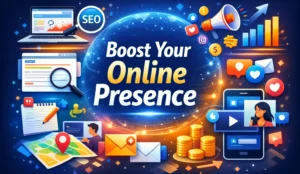
In today’s digital world, having an online presence is no longer optional—it’s essential. Your online presence is how customers discover, interact with, and trust your business. A strong online presence increases brand visibility, attracts potential customers, and drives revenue growth.
Digital marketing combines strategies like SEO, content creation, social media, paid advertising, and email campaigns to help businesses appear where their audience spends the most time online. This guide will walk you through practical steps to improve your online presence, backed by proven strategies from industry leaders.
Why Does Online Presence Matters Now-a-days?
Your online presence reflects how visible and trustworthy your business appears across search engines and digital platforms. Most customers now research brands online before making contact, which means your visibility directly influences credibility.
A strong digital presence helps you stay relevant, build trust faster, and compete effectively in a market where attention is limited and choices are many.
1. Set Clear Goals Before You Start Digital Marketing
Digital marketing works best with clear direction. Defining goals helps you focus efforts on outcomes that matter, such as traffic growth, lead generation, or local visibility. Without clear objectives, strategies become scattered and results remain unclear. Purpose-driven planning ensures every action supports measurable business growth and long-term brand value.
Identify What You Want to Achieve
Your goals should connect directly to business priorities. Some brands aim to increase awareness, while others focus on conversions or customer inquiries. Clear objectives help you choose the right channels, content formats, and timelines.
This clarity also makes performance tracking easier and prevents wasted effort across platforms that do not support your primary goals.
Understand Your Target Audience
A strong online presence starts with knowing who you are speaking to. Understanding audience needs, search behavior, and decision-making patterns allows you to create relevant content. Brands that speak directly to real problems earn attention and trust.
This alignment improves engagement, strengthens SEO signals, and increases the chances of meaningful conversions.
2. Build a Strong Website as Your Digital Foundation
Your website acts as the core of your digital presence. Every marketing effort leads users back to it, making usability and clarity essential. A well-structured website communicates value quickly, supports search visibility, and encourages action. Without a strong foundation, even effective marketing campaigns struggle to deliver sustainable results.
Optimize Website Structure and User Experience
A clean website structure helps visitors navigate easily and understand your offerings. Mobile responsiveness, fast load times, and clear page flow improve user satisfaction. Search engines also reward sites that provide smooth experiences. Good structure supports both visibility and engagement, making it easier for users to trust and interact with your brand.
Create High-Quality, Helpful Website Content
Website content should focus on solving user problems, not just promoting services. Clear explanations, practical insights, and transparent messaging build confidence. Content rooted in real experience performs better because it feels authentic. Search engines prioritize pages that provide genuine value and satisfy user intent effectively.
3. Use Search Engine Optimization to Increase Visibility
Search engine optimization helps your business appear at the right time, in front of the right audience. SEO focuses on intent, relevance, and authority rather than short-term tactics. A strong SEO strategy builds consistent visibility, supports credibility, and delivers long-term traffic that compounds over time without relying solely on paid promotion.
- On-Page SEO Best Practices – On-page SEO ensures each page communicates clearly to both users and search engines. Optimized headings, relevant keywords, and logical internal links improve understanding and discoverability. Pages that answer specific queries perform better because they align with search intent. This approach supports stable rankings and better user engagement.
- Content SEO for Long-Term Growth – It focuses on creating topic-based content that answers real questions. Blogs, guides, and FAQs help build topical authority and attract organic traffic. Updating existing content keeps it relevant and competitive. This strategy supports sustainable growth by aligning content with evolving user needs and search behavior.
- Technical SEO Basics You Should Not Ignore – Technical fixing ensures your website functions properly behind the scenes. Indexing, site speed, and error-free pages help search engines access content easily. Technical issues can limit visibility even with strong content. Regular site maintenance improves performance, usability, and overall search presence.
- Off-Page SEO – focuses on building your website’s reputation beyond your own pages. It helps search engines understand how trustworthy and authoritative your brand is. Strong off-page signals improve visibility, rankings, and brand recognition over time. Instead of quick wins, off-page SEO relies on consistency and credibility.
Key off-page SEO activities include:
- Earning high-quality backlinks from relevant and trusted websites
- Brand mentions across blogs, news sites, and industry platforms
- Local citations and directory listings with consistent business details
- Social sharing that increases content reach and visibility
- Online reviews that build trust and influence decision-making
4. Leverage Content Marketing to Build Authority
Content marketing builds authority by sharing useful knowledge rather than promotional noise. Helpful content positions your brand as a trusted resource. Over time, this attracts links, engagement, and returning visitors. Authority grows through consistency, relevance, and real insights that help users make informed decisions.
Create Content That Educates and Solves Problems
Educational content addresses common challenges your audience faces. Clear explanations, step-by-step guidance, and practical examples improve understanding. Content that solves problems encourages longer engagement and repeat visits. Search engines value this behavior because it signals usefulness and relevance.
Not only blog type content but also create video content. Now-a-days no need to hire a content creator, you can make your own by using AI tools like – Gemini, Google Flow, Whisk, Grok and others.
Use Content to Build Trust and Expertise
Trust develops through honesty, clarity, and consistency. Content that reflects real-world experience feels credible and relatable. Sharing lessons, insights, and transparent advice strengthens your authority. Over time, this trust supports higher conversions and stronger brand loyalty.
5. Strengthen Your Presence with Social Media Marketing
Social media helps maintain visibility and build relationships beyond search. It supports brand recall and content distribution. Strategic use of social platforms reinforces trust and keeps your brand top of mind. Social media works best as a supporting channel rather than a standalone strategy.
- Choose the Right Social Platforms – Platform selection should reflect audience behavior and content style. Focus on channels like Facebook, Instagram, TikTok, Pinterest, LinkedIn, Twitter etc where engagement feels natural and sustainable. Concentrated efforts produce better results than spreading content across too many platforms. Relevance matters more than volume.
- Share Content Consistently and Authentically – Consistency builds familiarity and trust. Authentic content that informs or helps performs better than aggressive promotion. Engaging naturally with your audience strengthens relationships and visibility over time. This approach supports both brand reputation and organic reach.
6. Use Local SEO to Improve Visibility in Your Area
Local SEO helps nearby customers find your business quickly. Location-based searches often show high intent, making visibility valuable. A strong local presence improves trust and increases direct inquiries. Local optimization connects your business with users ready to take action.
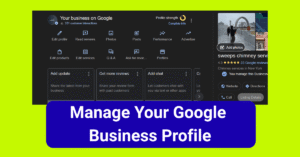
- Optimize Google Business Profile – An optimized Google Business Profile improves visibility in local search results. Accurate information, reviews, and updates enhance credibility. Active profiles signal reliability to both users and search engines. This directly influences local rankings and engagement.
- Build Local Citations and Trust Signals – Consistent business information across directories builds trust. Local mentions and backlinks strengthen authority. These signals help search engines confirm legitimacy and relevance within a specific area. Strong local trust improves ranking stability.
7. Use Paid Digital Marketing to Accelerate Growth
Paid search engine marketing provides faster visibility and supports organic strategies. It works best with clear targeting and strong landing pages. Strategic use of paid channels helps capture demand while long-term efforts build authority. Balance ensures efficient use of budget and resources.
- Search Ads for High-Intent Traffic – Search ads target users actively looking for solutions. Intent-based keywords drive qualified traffic and faster conversions. This approach delivers measurable results and supports lead generation goals effectively.
Not only search ads but also Google’s partner website and YouTube also helps to build your brands stronger. Targeted campaigns support retargeting and content promotion. Relevant messaging improves recognition without disrupting user experience.
8. Build an Email Marketing Strategy
Email marketing remains one of the most effective ways to build long-term relationships with your audience. A strong strategy starts with understanding who you are emailing and what value you can offer them. Instead of sending frequent promotions, focus on sharing useful insights, updates, and solutions that match their interests.
Personalization, clear subject lines, and consistent timing improve engagement and trust. When email content feels relevant and helpful, it supports brand loyalty, repeat visits, and steady growth without relying on constant advertising.
9. Track, Measure, and Improve Your Digital Presence
Performance tracking helps you understand progress and identify gaps. Monitoring key metrics guides better decisions and ongoing improvement. Data-driven optimization strengthens long-term visibility and efficiency.
- Key Metrics You Should Monitor – Focus on metrics tied to goals, such as traffic quality, engagement, and conversions. Meaningful data reveals what supports growth. This clarity improves strategy refinement.
- Improve Based on Real Data – Regular analysis helps refine content, SEO, and campaigns. Small improvements compound over time. Continuous optimization supports sustainable digital growth.
Common Mistakes That Hurt Online Presence
Many businesses struggle online because of avoidable mistakes that weaken trust and visibility. One common issue is inconsistent branding across websites, social media, and local listings, which confuses users and search engines.
Another mistake is publishing low-quality or copied content that adds no real value to the reader. Ignoring SEO basics, such as proper page structure and search intent, also limits growth. Other frequent problems include:
- Poor website speed and mobile experience
- Posting content without a clear strategy
- Not tracking performance or user behavior
Avoiding these mistakes helps your online presence grow steadily and sustainably.
FAQs
What is the Fastest Way to Improve Online Presence?
Paid ads combined with optimized landing pages deliver faster visibility, while SEO supports long-term growth.
Is SEO Still Effective in 2026?
Yes, SEO remains essential as search engines prioritize helpful, experience-based content and user intent.
How Often Should Content be Updated?
High-performing content should be reviewed and updated every few months to stay relevant and competitive.
Does Social Media Help SEO Directly?
Social media supports visibility and engagement, which indirectly strengthens SEO through traffic and brand signals.
Can Small Businesses Improve Online Presence Without Ads?
Yes, consistent SEO, quality content, and local optimization can drive strong organic growth over time.